

Research Engagement and ImpactTips from a first time interviewee

In our ongoing series around Engagement and Impact, we change tact from the focus on one-on-one/direct engagement with communities to the impact of getting one's research out via the media. Dr David Armstrong, Lecturer in Teacher Education: Special Education, was recently interviewed by Radio Adelaide on the final report from the South Australian Parliamentary Select Committee into Access to the Education System for Students with Disabilities. His interview can be heard on the Radio Adelaide site. The Research Services Office approached David to share his experience on being interviewed by the media. Below is the interview we conducted with David.
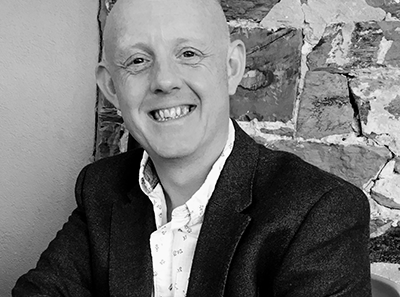 David Armstrong
How do you go about getting an interview?
Journalists from the media typically contact me for comment on a news story or to request a written submission about an issue. It’s important, I think, to have a strategy for developing your media profile as a researcher. My strategy has been to be available for ongoing comment in my areas of research (special and inclusive education, mental health in schools, dyslexia) to SA outlets (Adelaide Advertiser; local radio, InDaily) but with a view to establish myself interstate as a stepping stone to access to the national media. This is starting to pay off with radio interviews for interstate outlets and contact with national print media.
Were you contacted first?
Colleagues very kindly forwarded my name to local journalists if the enquiry was in my area. I have reciprocated. It’s important to work as a team in sharing opportunities.
What assistance did you get beforehand?
When I came to Flinders I had assistance from the excellent Flinders education journalist (Tania Bawden) who facilitated interviews. In the past I led a funded education initiative (European Social Fund) with the homeless and in association with a major charity.
This initiative was innovative and high-profile, so the local and national media/celebrities/politicians were in contact on a regular basis. HRH Prince Charles visited, for example, and we spoke with the media present, so I am probably unusual in the amount of experience I have had in this respect. Interviews on the Radio and on TV require a different skillset from writing articles for the print media. I would recommend asking for assistance and advice from the Office of Communication and Engagement for anybody who is asked to appear in TV or undertake a radio interview and if it’s their first time.
Did you seek any out?
Yes, I have sought out journalists and taken a proactive approach. Registering for The Conversation is necessary – if you wish to write for it. I have recently had success engaging with politically influential state stakeholders in my field and by using Twitter but this needs to be carefully planned and executed.
What was the overall experience like?
It’s been positive and exciting. I enjoy communicating my research and saying why it’s designed to help improve the lives of children or young people with disabilities.
One important new organisation which has helped me is the Media Centre for Education Research Australia (MCERA): they have facilitated contact with the media so that it seems a less random and more positive experience.
What challenges were there?
A phone call will arrive when I have just arrived home or when I am in the middle of a meeting. If you don’t pick up the call often the journalist will ring another contact and you won’t be asked for comment or a story. If you pick up the phone you have an opportunity: you can help dispel myths; communicate key findings of your important research; and share knowledge with the community. The only other problem is that this takes time away from the everyday demands of the job (teaching, research etc.) so it’s important to find balance in media engagement.
The RSO thanks David for his time in sharing this information with the Flinders community.
Where to go if you are contacted by the media?
The Office of Communication and Engagement at Flinders offers media training in group and one-on-one sessions.
Registration with the Australian Science and Media Centre is encouraged. They provide training and advice and are very helpful in gaining access to mainstream media coverage.
Science Media Savvy provides some excellent top tips for researchers.
The Conversation has experienced journalists and editors who can provide assistance and advice to those wanting to start out or improve their writing communication skills in respect to print media. Flinders is a supporter of The Conversation and encourages our academics to get involved.
RiAus, based here in Adelaide, and Science in Public run workshops on media training throughout the year around Australia.
More posts in "Research Engagement and Impact" series:
- (13 Dec 2028) ECR Spotlight - Dr Ben Lewis
- (29 Nov 2028) Impact Seed Funding – supporting our Flinders ECRs – Dr David Smith
- (29 Nov 2028) Research Roundup - 29 November 2018
- (15 Nov 2028) Impact Seed Funding – supporting our Flinders ECRs – Dr Lua Perimal-Lewis
- (14 Nov 2028) Research Roundup - 15 November 2018
- (01 Nov 2028) Flinders research from an undergraduate class to a record breaking swim attempt
- (01 Nov 2028) Research Roundup - 1 November 2018
- (31 Oct 2028) ECR Spotlight - Dr Bev Rogers
- (31 Oct 2028) Flinders researchers trip to Germany on bringing science to market
- (18 Oct 2028) Melbourne and Canberra fellowships advance research and leadership skills for Flinders researcher
- (18 Oct 2028) Impact Seed Funding – supporting our Flinders ECRs - Dr Linlin Ma
- (18 Oct 2028) Research Roundup - 18 October 2018
- (04 Oct 2028) How can Australian innovation create new industries and jobs?
- (04 Oct 2028) Research Roundup - 4 October 2018
- (27 Sep 2028) Saving Nemo at Ngeringa Winery
- (20 Sep 2028) Assisting the UN and developing nations on how to measure wellbeing
- (20 Sep 2028) Equity Hub to assist translating research into change
- (06 Sep 2028) Steps to improve gender diversity in coastal geoscience and engineering
- (23 Aug 2028) Finding the invisible traces
- (09 Aug 2028) Diving in Deep to strengthen links with UNESCO members
- (09 Aug 2028) Impact Seed Funding – supporting our Flinders ECRs
- (09 Aug 2028) Older Adults engaging for a better quality of life
- (08 Aug 2028) The scientist’s guide to a successful career in academia
- (27 Jul 2028) Flinders aiming to lead the blueeconomy
- (27 Jul 2028) Can you have a conversation with a computer?
- (12 Jul 2028) Flinders linking with arts and culture to explore their real value
- (12 Jul 2028) WHO internship for Flinders researcher
- (28 Jun 2028) Flinders linkage grants success
- (28 Jun 2028) Flinders’ led project top in Radiation Research
- (18 Jun 2028) Nothing going to waste - Flinders NIH Success
- (18 Jun 2028) ECR Spotlight - In Conversation with Dr Sam Elliott
- (29 May 2028) Flinders leading the reviews to improve remote health
- (17 May 2028) Generating conversation through The Conversation
- (15 May 2028) ECR Spotlight - Dr Ashok Manoharan 2018
- (03 May 2028) Flinders’ Archaeologist off to Cambridge for a year
- (26 Mar 2028) New chapter of Indigenous history told through food
- (08 Mar 2028) Flinders linking with Indigenous groups to explore aspects of colonial Australia
- (22 Feb 2028) ECR Spotlight - Ian Moffat
- (21 Feb 2028) Flinders working to Beat Cancer
- (25 Jan 2028) Why are little penguins declining?
- (25 Jan 2028) Scimex - Register now to be a part of breaking news
- (24 Jan 2028) ECR Spotlight - Alice Clement
- (21 Dec 2027) A Flinders first - automated launch and recovery for autonomous underwater vessels
- (13 Dec 2027) 2017 Vice-Chancellor's Award for Early Career Researchers
- (11 Dec 2027) ECR Spotlight - Vishnu KK Nair
- (06 Dec 2027) NHMRC success for Flinders
- (24 Nov 2027) Aiming to improve the health, education and wellbeing of children
- (17 Nov 2027) Accelerating the Interplay Wellbeing Framework
- (16 Nov 2027) 2018 Visiting International Research Fellows to Flinders
- (15 Nov 2027) ECR Spotlight - Ashokkumar Manoharan
- (15 Nov 2027) 2018 Flinders Endeavour Scholars and Fellows announced
- (14 Nov 2027) Time to Bragg about science writing
- (10 Nov 2027) Flinders Forensic Science cleans up at Awards
- (10 Nov 2027) Flinders successes in the recent ARC grant round
- (30 Oct 2027) Students Present Around the World
- (20 Oct 2027) Over $8 Million to Flinders from the National Palliative Care round
- (19 Oct 2027) ECR Spotlight - Sam Schultz
- (17 Oct 2027) Flinders' Fresh Scientists in the Pub
- (11 Oct 2027) Indigenous knowledge, not just for Indigenous communities
- (06 Oct 2027) Leading Drug and Alcohol researchers at Flinders’ NCETA secure $1.7 million in funding
- (05 Oct 2027) ECR Spotlight - Margaret Shanafield
- (28 Sep 2027) Our Distinguished Geographer
- (07 Sep 2027) ECR Spotlight - George Karpetis
- (01 Sep 2027) Eureka! Prize for blood test for bowel cancer recurrence
- (22 Aug 2027) Different environments, different DNA, different dolphins?
- (17 Aug 2027) ECR Spotlight - Dr Harriet Whiley
- (03 Aug 2027) ECR Spotlight - Giselle Rampersad
- (17 Jul 2027) Time to Scope your research - FAST
- (17 Jul 2027) Time to Scope your research - Hoverflies
- (13 Jul 2027) Tips from a first time interviewee
- (12 Jul 2027) Saving Nemo at the Star of Greece
- (07 Jul 2027) Invasion of the European crabs
- (20 Jun 2027) Fossil finds bring Australia's evolutionary history to life
- (07 Jun 2027) Peer Prize up for grabs
- (02 Jun 2027) Tracking the marine ecosystems in South Australia
- (29 May 2027) Be Your Best for Impact
- (18 May 2027) Aiming to catch criminals as never before
- (05 May 2027) Excavating with and in a Community
- (29 Apr 2027) What does engagement look like? Community-initiated research.
- (24 Apr 2027) Planning for one of the world’s youngest nations
- (07 Apr 2027) Pitching ON tasty seaweed jelly
- (29 Mar 2027) Best and Brightest for Hearts
- (27 Mar 2027) The Best Student Publications - Flinders 2016 edition
- (16 Mar 2027) From workshop to book - Underwater archaeology and 3D
- (21 Dec 2026) Recent Funding Success
- (21 Dec 2026) Research Impact - Point of Care Testing
- (21 Dec 2026) New ARC College of Experts
- (20 Dec 2026) Flinders Celebrates - 2016 Research Successes
- (19 Dec 2026) Vice-Chancellor Awards for Research Excellence
- (19 Dec 2026) Cardiology, Mental Health Projects among NHMRC Grant Success
Comments
Comment preview